


Fast fact – fear is a normal part of being human. We’re all afraid of something. Fear is one of those things that your beautiful, magical brain uses to keep you alive. However, if fear starts to negatively impact your life, then it’s stopped being helpful and has become a problem.
When you first notice a fear, odds are good that you probably tried to “deal with it” and assumed it would pass. Or maybe you avoided it. But the problem is, it didn’t go away and now this unaddressed fear or phobia has gotten to the point where it’s holding you back, limiting your choices, or even putting you in danger, and you’re ready to do something about it.
EMDR is incredibly effective for treating fears and phobias.

EMDR is well known to help with fears tied to trauma. What’s less known is its ability to help with what I like to call “everyday fears” that have grown big enough to interfere with your life – fear of the dentist, fear of flying, fear of spiders, fear of vomiting, fear of driving over bridges. It’s a big list.
This blog is for when you’re ready to stop letting fear hold you back. We’re going to talk about what kinds of fears EMDR can treat, why it works so well for phobias, and how the process is usually a lot more manageable than people expect.
But first, let’s hold space for what’s really happening in that beautiful brain of yours.

When Fear Starts Running Your Life
Not all fears look the same. Your fear doesn’t have to be a full-blown therapist-diagnosed phobia – complete with panic attacks, sweaty pit stains, and fainting – to be worth addressing. It just has to be interfering with the life you want to live.
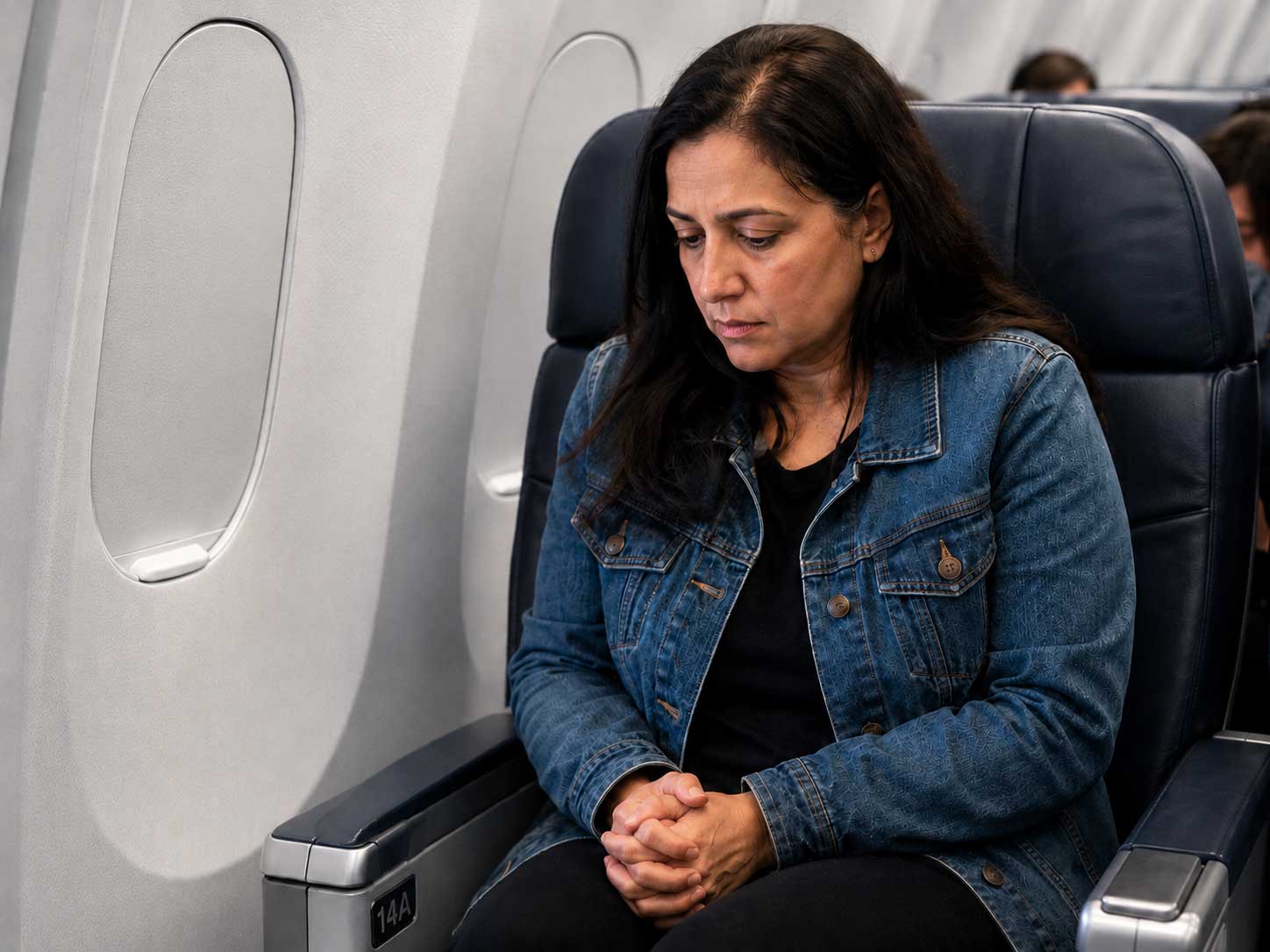
Maybe you’re afraid of driving over bridges, and your commute to work has one. Maybe you’re afraid of flying, but there’s an ocean between you and someone you love. Maybe it’s not even an object at all. Fears like emetophobia (the fear of vomiting) can shrink your world just as much as a fear of spiders, keeping you from eating out, going to parties, and feeling comfortable in social situations.
And then we have phobias that interfere with something as critical as your healthcare. A fear of doctors or dentists can quietly turn into years of avoided appointments and declining health. And it can be even more layered, especially for our BIPOC women and men whose fear is not coming out of nowhere, but rooted in a very real history of harm and neglect from the medical system.
The goal isn’t to convince you that your fear is not or was never valid. Rather, EMDR helps your brain and body process the fear at the level where it gets stuck, so you can respond from a more grounded place.

The Fears & Phobias EMDR Can Treat
EMDR therapy can be used to treat a wide range of fears and phobias, whether they trace back to a specific event or they’ve just always been there.
Some of the most common fears we treat are:
- Fear of flying
- Fear of the dentist
- Fear of doctors or medical procedures
- Fear of vomiting
- Fear of choking
- Fear of driving, bridges, or highways
- Fear of spiders or insects
- Fear that appears after a traumatic event, or witnessing a trauma
- Fear after a medical scare or hospital experience
- Fear related to travel or public transportation
The question isn’t usually whether a fear is big enough to seek treatment. Because, honestly, if you’re coming in, then it IS worth seeking treatment. The real question we ask ourselves when you come to us is: Is this person in a place where they can do a focused one- to two-day EMDR Intensive, or does this fear come with lots of layers that are best treated over time?
Why EMDR Is So Effective for Phobias
A lot of times, we already know our reaction does not fully make sense logically. You know the dentist is trying to help you. You know not all spiders are dangerous.
You can logically know it, but your body doesn’t care. Your body is acting on that split second, years ago, where it stored this as danger.
That is where EMDR can be so helpful. We’re not just trying to talk your way over your fear. EMDR works because it helps your brain finish processing whatever happened at the moment the fear took hold, instead of asking you to think your way out of it.
Traditional talk therapy generally works from the top down
You examine and challenge the thought, and the feeling is supposed to follow. That can help, but it relies on asking a scared brain to reason with itself in the middle of a fear response, which is a hard place to think clearly from. It can be useful, especially for insight. But with phobias, people often already understand the fear and still cannot get their body to cooperate.
Exposure therapy is different
Exposure work can be very effective, and for some people it is exactly the right approach. It helps by gradually reducing avoidance and teaching the brain that the feared thing is survivable. But it asks a lot of you and can be deeply uncomfortable. Many aren’t ready to start here, and some fears are tied to experiences or nervous system responses that need more processing before exposure feels manageable. It’s not right for everyone.
EMDR flips the order
EMDR can be especially powerful because it works at the level where the fear got encoded. It helps the brain reprocess what made the fear feel dangerous in the first place and allows your brain to recognize that this is a different experience and time. As that awareness shifts, the thoughts often change too. You don’t just think more clearly and hope your body catches up. Your body becomes less activated, and your mind can finally approach the situation from a more grounded place. You’re helping your brain finally close the loop it got stuck on.

What Type of EMDR Works Best for Fears and Phobias?
Phobias can be treated through either ongoing weekly sessions or EMDR intensives, and which one fits you depends on your situation.
Some people prefer ongoing EMDR work because the fear is tied into broader anxiety, trauma, or nervous system dysregulation that should be addressed, or they want steadier support over time.
Others prefer dealing with it in one visit of an EMDR intensive, especially when there’s a deadline in mind, like an upcoming flight or a trip they don’t want fear to get in the way of. Or maybe you need dental work and want help before the appointment. Maybe you already know exactly what the fear is connected to, and you want to go after it more directly. In those situations, an intensive can make a lot of sense.
Neither path is more “correct.” It’s about what matches how the fear is showing up for you right now.

Getting Your Life Back
Fear has a way of shrinking our lives. It makes us embarrassed. It digs its claws into our lives and won’t let go. But fear doesn’t have to shrink you forever.
Whether your goal is to skydive out of a plane or stand on a stepstool, it’s all the same. There is no such thing as indisputable or “silly little” fears. If a fear shrinks your world, then it is not working the way it’s supposed to and you deserve more than that.
If a fear or phobia has been quietly limiting your life, EMDR can help you work on it at the root instead of just continuing to work around it. If you’re ready to look at what fear has been taking from you, schedule a free consultation and let’s talk about whether EMDR is the right fit.
Remember – you’ve got this. And as always, I’ve got you.




Leave A Comment